Home / About

The library

A room opened in 2021 for people who wanted the record, not the pitch

The official registered business name is Think Meridian. The business was established in 2021 on Gudong 1-gil in Geumil-eup, Wando-gun, South Jeolla.

How the room started

In the spring of 2021 Hae-won Park rented a street-level room after collectors around Jeolla began asking for a place to read mint notes together. Solana digital collectibles were arriving in inboxes faster than anyone’s vocabulary. The first shelves held printed auction sheets, artist interviews, and a thin stack of care notes about where image files were hosted.

The work stayed small on purpose. Letters were answered by hand. Appointments were one desk and one question. By 2023 the Saturday table had a regular shape, and Min-jae Cho joined to lead those mornings. He had spent the years before cataloguing contemporary prints in Gwangju, which is why edition language in the room still sounds like a print room.

Think Meridian remains that room: a Solana learning library for NFTs and digital collectibles, with a ferry between it and the mainland and a closed Monday for correspondence.

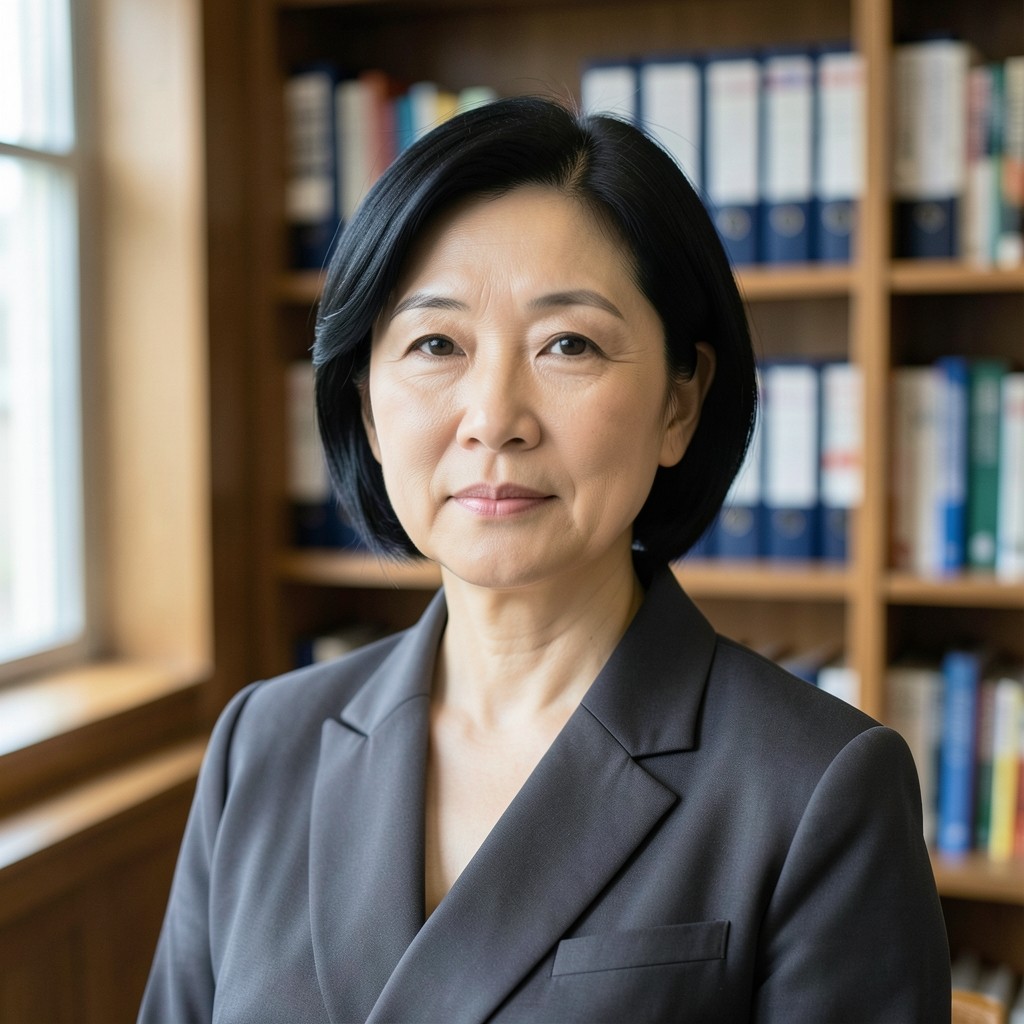
Portrait of a woman in her early forties standing in a reading room with shelves softly out of focus

Hae-won Park

Proprietor and head reader

Hae-won trained in art librarianship and kept collection records for galleries before the Wando room. She writes the collection briefs and takes most private shelf appointments. Visitors meet her first if the question touches artist files.

Portrait of a man in his thirties seated near a reading-room window with a closed folder in his hands

Min-jae Cho

Saturday reader, since 2023

Min-jae leads the six-seat workshop and checks every glossary for plain speech. He pulls the Records shelf when a Saturday example needs a live folder, and he covers private hours in weeks when a workshop is being built.

How a question is handled

A letter is read for one noun: a collection name, a mint, or a term. If several collections arrive at once, the reply asks which one matters this month. The shelf is pulled to that noun. The hour follows the pages, and the visitor writes their own notes.

Conversation may move in Korean. The folders are in English, because that is the language of the mint notes and interviews the room has been able to keep. Terms that lack an easy everyday equivalent stay in English on the glossary, with a short Korean gloss beside them.

What the room owes the people who travel

Geumil is a commitment. Readers come from Mokpo, Gwangju, Yeosu, Suncheon, and sometimes farther, and they have already spent the morning on a crossing. The library owes them a prepared desk, a truthful fee, and a letter if a catalogue is out on loan.

The room also owes them a boundary they can trust. Buying, selling, and the keeping of keys remain their own affairs. Think Meridian explains records, vocabulary, and care.